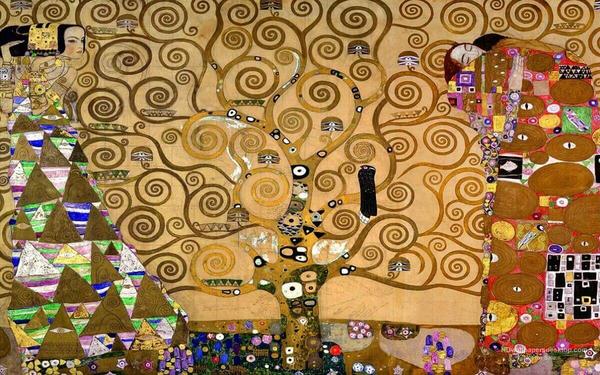
Like a dried branch on a tree whose life has run its course, I must fall to the ground and die so that new branches may flourish, and the tree come back to life.
The image of the dried branch that has returned to the ground, the place from where it first sprung to life, must be one of the most beautiful images a dying person has ever shared with me. It was a reminder that the focus at a person’s end must be on life and not death. We celebrate the life our beloved dead has lived among us, and we rejoice in the life hereafter that God promises not only to the one who has died but also
to those of us who, though we mourn, still live.
The reality of life after death is central to the Christian, the ones who are to live their lives according to the pattern of Christ, who lived, suffered, died and was born to life eternal. But it is so difficult to trust in the promises of Christ when the ones we most love in this world die—perhaps, especially when their end is long or short and tragic.
The often slow but certain course of a terminal illness is devastating to the person who lives with the knowledge of imminent death. Even if death is among the only certainties we all share in this life, receiving a death sentence makes it all the more real. Though capital punishment is outlawed in South Africa, many countries still kill people who have committed heinous crimes. They, too, have loved ones who grieve. But that is
not the only death sentence. A person diagnosed with a terminal illness is also faced with a death sentence, forced to reckon with their end quickly.
And then there are more silent, yet no less devastating, death sentences. Those wrought, for example, by the suffering that comes with depression and other serious mental health disorders, frequently leading to death by suicide. Those wrought by substance use disorders, leading to alcohol- or drug-related deaths that leave loved one’s feeling guilty, helpless and angry—an end that too often takes us by
surprise.
Yet, in all these cases, one thing has become quite clear to me in my experience of accompanying those who are dying and those who grieve their loved one’s death. Who they were at their end is only a part of who they were. Though it is understandable that we become consumed by the death of a loved one and cannot see beyond their death and our grief, in these times, especially, we must remind ourselves that Christ died so that we
might live. And just as the one who is no longer in our physical presence has risen to new life in Christ, we who remain—and are forever changed by death—must return to life.