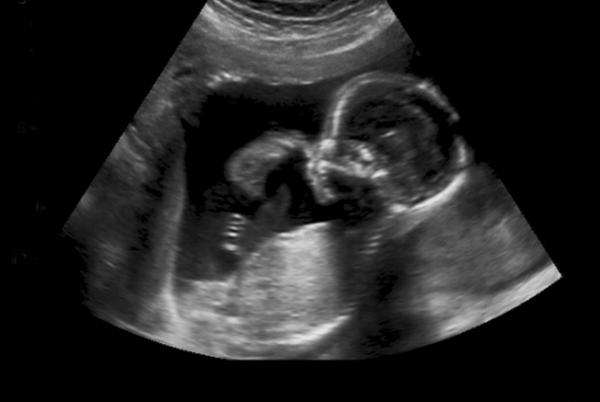
Vanessa gently cradles her ten-month-old baby, Yav, in their tiny bedroom where I meet her. Yav was born in a hospital in Johannesburg South. Vanessa explains the fears she has for her child's future. She asks: How he will go to school? What about when he needs to go to the clinic? I worry about what my boy's future will be.
Vanessa is an asylum seeker in South Africa and was classified as a private paying patient when giving birth to Yav. The hospital required that she pay R12000.00 to give birth. This re-classification of patients is the result of a new policy that the Gauteng Department of Health has implemented. Vanessa was requested to pay to give birth to her child.
She is single, has limited income, and cannot pay the requested fee. After giving birth to Yav, the hospital refused to provide Vanessa with the proof of birth, which is a requirement for birth registration, until she paid the outstanding amount. Despite various interventions with the Department of Health, Vanessa has still been unable to register
Yav's birth.
Asylum seeker mothers know the precarity of their own documentation, which needs to be renewed every three to six months in a dysfunctional and backlogged asylum system. Asylum seeker mothers know the importance of documentation as a gateway to everyday life. Imagine being barred from giving this enabling document to your child for a moment?
Imagine being a Vanessa. What would you fear? Knowing your rights to access free reproductive services, what might you want to do, even if you felt you had no power to? How does this story shift the way you think about people who may be undocumented?
Vanessa forms part of a growing number of cases facing the consequences of a discriminatory and failing health system. What can you or your community do to facilitate accountability and access in the public healthcare system for marginalised people?