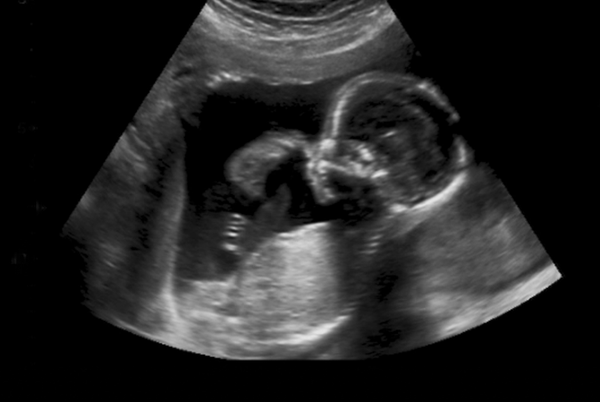
Sengoma was seeking antenatal care at a public hospital in Johannesburg East. She was paying R400 for each appointment despite free access to maternal and reproductive healthcare services being one of her rights. Sengoma had heard that other pregnant women had been treated badly at this hospital. They had to wait for long hours in queues while in
labour and were requested to pay high fees for maternity services. After consultation with a JRS community healthcare worker, she was advised to wait until she was in progressive labour and then instead go to the public clinic in Hillbrow.
On the 24th of December 2021, Sengoma gave birth to a healthy boy, Imani. She went to Hillbrow clinic at 2 am and was home by 8 am. She expressed relief at being treated with care by nurses and explained that there were few people in the clinic at the time. Sengoma did not have to pay for the delivery of her baby and was given a notice of birth. She
was able to register her child’s birth in early January.
Sengoma is, unfortunately, an outlier in the recent experience of refugee and migrant women giving birth in the current public health sector. Surely, navigating this health system at a time when as a mother, all you want is the certainty that you can bring your child safely into this world should be guaranteed, rather than luck.
Imagine the relief that Sengoma felt being able to deliver her child without the pressure of fees and mistreatment from healthcare staff and administrators.
Think for a moment about what needs to change in our healthcare system for all pregnant women to have a more caring and accommodating experience in delivering their children?
Has this story stirred something in you? Is there some way you feel you could support or provide care for pregnant women in your church or community?