The first blessing Jesus announces on the mountain in Matthew’s Gospel is one on the “poor of spirit”. He says that those who are poor in spirit will inherit the Kingdom of
God.
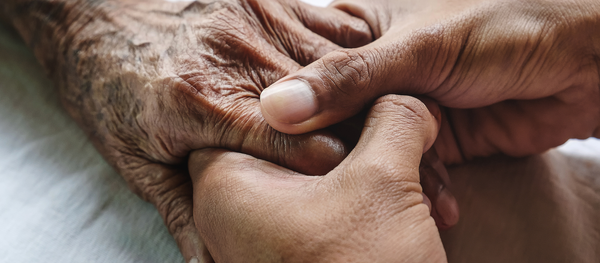
What does it mean to be poor in spirit? We must avoid slipping into the temptation of separating actual poverty from a poverty of spirit. Jesus
constantly challenges all aspects of our lives, not only one part of us.
There are two important things to notice. First, to be “poor in spirit” means
to know God and, before God, to recognise our need for God. When we recognise our poverty, we trust God’s mercy and loving care for all we need. Second, when we abandon ourselves to God, we sense God’s will more clearly and begin to work with God for the reordering of all creation. We recognise our responsibility and cooperate with God to make all things new. Part of making all things new is to work to alleviate poverty and injustice in our society and world.
Michael Crosby OFM Cap points out in his book “House of Disciples” that there is a passive and active dimension to this blessing in Matthew’s Beatitudes. The passive dimension
of abandoning oneself to God, and the active dimension of recognising that God uses human beings to continue the divine creative activity of bringing about God’s vision for all creation. That vision is one in which nobody lacks the basics, and all of God’s people have what they and their families need to survive.
In other words, when we know our needs and see our total reliance on God, we can see the needs around us and respond to those needs. To do this is to be blessed for being poor in spirit and will inherit the Kingdom of God.
Do you feel and know your own need for God? How reliant are you on God? In what ways, knowing your poverty, can you or do you respond to the poverty around you?