The end of Jesus’ parable is a challenging one that reinforces the severity of the consequences of not being willing to forgive those who have wronged us.
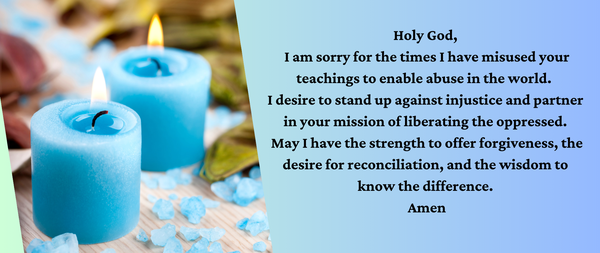
Unfortunately, many Christians and churches have used Jesus’ teachings about forgiveness to perpetuate abuse
and reinforce harmful situations against oppressed and persecuted people. Forgiveness is, therefore, sometimes distorted into death-dealing dynamics. For example, when an abused person is pushed to remain in an abusive situation or an oppressed people group is encouraged to forget the sins of their oppressors in the name of reconciliation. This is an obvious misinterpretation of Jesus. If we read Jesus’ words here in light of his overall teachings and message, we know that Jesus’s primary
mission is to liberate the oppressed, heal the broken, and set the prisoners free.
It’s worth noting that, to exemplify forgiveness in this parable, Jesus chooses situations in which the forgiver stands in a position of power and security and does not encourage prolonging unhealthy circumstances, harm, abuse or injustice. Indeed, forgiveness does not mean continuing with the status quo for the sake of
reconciliation. Forgiveness is entirely consistent with taking steps to discontinue perilous or damaging arrangements.
As Dr. John Townsend and Dr. Henry Cloud state in their groundbreaking book Boundaries: “Forgiveness and opening up to more abuse are not the same thing. Forgiveness has to do with the past. Reconciliation has to do with the future.”
Forgiving those who have wronged us without opening ourselves up to more hurt in the future is possible. As much as forgiveness often involves reconciliation with the person who has done wrong, the primary benefactor of forgiveness is the person who has been wronged and who experiences freedom from their grudges and burdens.
“Forgiveness is first for you, the forgiver...to release you
from something that will eat you alive; that will destroy your joy and your ability to love fully and openly.” (William P. Young, The Shack)
Have you, or anyone you know, ever been forced to stay in an abusive situation in the name of forgiveness? Do you think it is possible to forgive someone without putting yourself at risk of further harm? Think of a time that you have forgiven someone who hurt you. Did
you experience inner healing or peace because of that forgiveness?
Reflections by Rev Joe Taylor