Many of us believe that the Catholic Church cannot “change” or give any new teaching. We are so fixated on tradition – often a very shallow tradition of the few decades that we are aware of – that we think that anything that we haven’t heard before is new, novel, or lacks orthodoxy. Indeed, it is good for us to be cautious, not to blow in the wind with every fad that comes our way, and to
remain firmly rooted in God. But we have to remember that most of us have only a very limited knowledge of the fascinating history of our Church.
The writer of the book of Ecclesiastes, rather wearily said: “What has been will be again, what has been done will be done again; there is nothing new under the sun.” He thought that God had seen everything before and that people were incapable of real innovation. That was thousands of years
ago. Nowadays, we are so overwhelmed by the speed of change that it is difficult to keep up and to know what is right and wrong. The Church also has to keep abreast of the times. Our faith is not a museum piece, a repository of “eternal, unchanging truths.”
The Church is the People of God – you and me – who live in an exciting, bewildering, changing world, trying to discern our way as followers of Christ.
Jesus showed that God is always new – always caring in ways that we might not expect. God is always merciful and compassionate to the sinner and to the virtuous. God pours out blessings on his beloved while they sleep. (Ps 127:2) How much more will God pour out blessings on people who ask for them? How can anybody whose ministry is to bless people refuse to bless people, no matter how sinful they judge them to be? As Pope Francis said: “Who am I to judge?”
The pope does not invent new ideas, even though they might sometimes seem strange or shocking to us. His careful teaching role helps us to understand the Christian mystery more deeply, particularly when our cultures or our colonial history might hide the tradition from our sight. For example, in the Middle Ages, the church had a centuries-long tradition of blessing people in same-sex relationships. When we are facing totally unprecedented situations, like
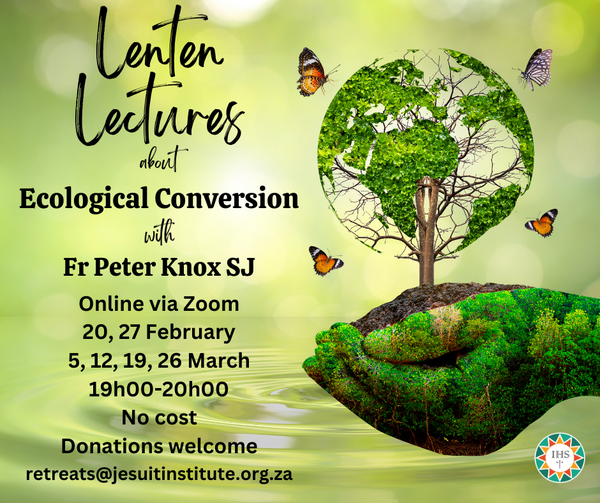
environmental collapse, the Church finds moral principles from the Scriptures and tradition that will guide our responses. Such principles include caring for the most vulnerable, cherishing all creation, and being just to all people, including future generations.
Reflections by Peter Knox SJ