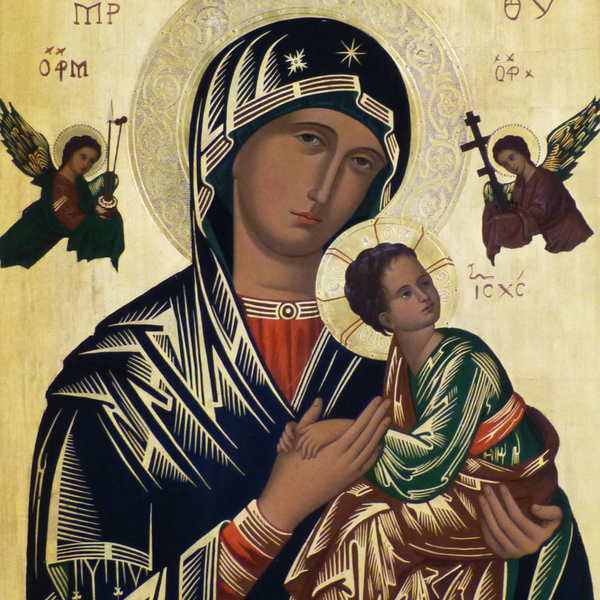
This past Sunday, we celebrated the Solemnity of the Assumption of Mary. The belief that Mary was taken body and soul to be with God at the end of her life. The timing of the origin of this feast is interesting. Pope Pius XII proclaimed it in 1950, shortly after the violence of the Second World War, where the atrocities committed
caused terrible damage to human dignity. Defining this dogma was a way of reaffirming the dignity and value of human life, including the body.
We are also in a time of great crisis globally. We are experiencing as wildfires rage throughout the world and floods devastate other countries. We are grieving the loss of countless lives from the Covid-19 pandemic.
Carmen Nanko-Fernandez, a professor of Hispanic theology and ministry, suggests that the Assumption
“reminds us that ‘it is what it is’ is not our destiny. The Assumption is an affirmation of life lived in the embrace of God’s reign, of relationships honoured, of stubborn resistance to erasure.”
It gives us hope in a time of great despair. That Mary, who shared our human nature fully, was taken to be with God and that we will follow her. Our humanity is sacred.
This is Mary’s feast, but it is our feast too. It is a feast that affirms the hope we have in reality beyond the grief we experience in our current circumstances. We rejoice in that hope.